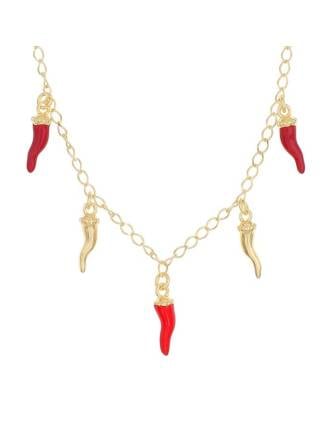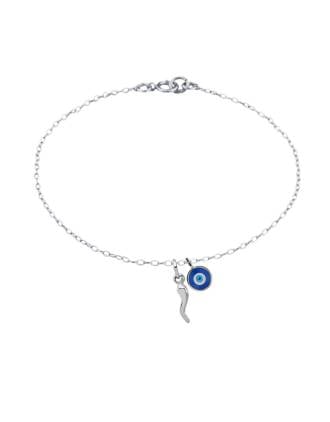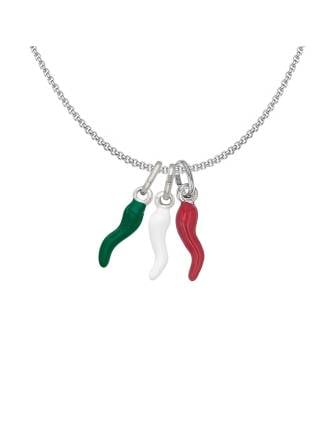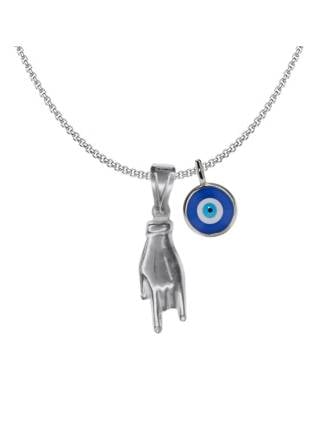
In Italian, strega means “witch.” In folklore, streghe were women with a deep knowledge of nature, herbs, and spiritual practices — healers and midwives both trusted and feared for their dual power to heal or to curse. In modern slang, “strega” can also mean a cunning or captivating woman. To guard against a strega’s evil eye (malocchio), Italians have long worn protective charms like the cornicello (Italian horn), the malocchio, and the mano cornuto.
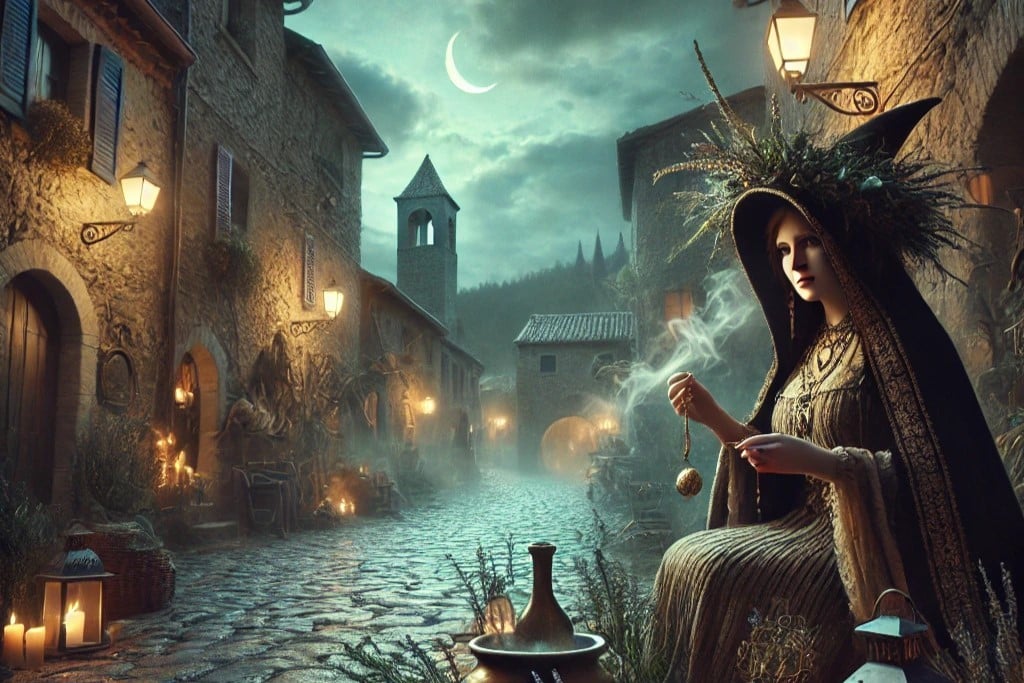
In the heart of Italy, where cobblestone streets wind through ancient villages, tales of magic and mystery linger in the air. Among these legends is the story of the strega, the Italian witch — a figure both feared and revered, known for her connection to the natural and supernatural worlds. For centuries, the Strega has been woven into the fabric of Italian folklore, embodying the dual nature of enchantment: the power to heal and the power to curse.
Today, the word “strega” conjures images of witches with mystical powers, but it holds a deeper meaning in Italian culture, rooted in myths, superstitions, and enduring beliefs that continue to inspire everything from everyday life to beautiful jewelry.
What is a Strega?
The term “strega” directly translates to “witch” in Italian, but its meaning extends beyond mere sorcery. Historically, streghe (plural for strega) were women who possessed a deep understanding of nature, herbs, and spiritual practices. They were often regarded as healers or midwives in their communities, trusted for their knowledge but also treated with a degree of caution due to their mysterious ways.
Over time, Strega came to symbolize more than just a practitioner of magic — it became a cultural archetype. In modern slang, “strega” can refer to a woman who is cunning, captivating, or even mischievous. The word carries both an affectionate and a sinister tone, much like the dual nature of the mythical witch herself. It is not uncommon to hear the term used playfully in Italy to describe someone who has a “bewitching” quality or a knack for getting what she wants.
But to truly understand the strega, one must delve into the rich tapestry of Italian folklore and the age-old myths surrounding witches.
The Italian Witch Myth: A Blend of Fear and Fascination
The legend of the strega dates back to ancient times when stories of witches and magical beings were shared around the fire. In Italian folklore, streghe were believed to have supernatural abilities that allowed them to communicate with the spirit world, cast spells, and even transform nature. These witches were often seen as possessing dual powers — capable of great healing as well as cursing.
Good Witches and Bad Witches
The concept of the “benandanti” and “malandanti” offers insight into how Italians once perceived witches. The benandanti, or “good witches,” were believed to protect the community from harm, using their powers to heal the sick and bless crops. In contrast, the malandanti, or “bad witches,” were thought to bring about misfortune through curses and evil spells. This distinction is a recurring theme in many regional tales and reflects Italy’s nuanced relationship with witchcraft.
The Role of Streghe in Italian History
Italy’s history with witchcraft is complex, involving centuries of superstition, folk belief, and even witch trials. While not as notorious as the infamous witch hunts of Northern Europe, regions like Tuscany and Sicily had their own share of accusations and trials, often tied to local customs and fears. For many, these trials were not solely about religion but were deeply intertwined with cultural superstitions and the fear of the unknown.
Strega Nona: A Beloved Modern Witch
One of Italy’s most famous fictional witches is Strega Nona, the wise old woman from a beloved children’s book series. Strega Nona embodies the duality of the traditional Italian witch — her magic is both helpful and mischievous. She represents the enduring cultural fascination with witches, who are seen as figures capable of wielding power for both good and playful mischief.
The Influence of Strega in Italian Superstitions
In Italy, superstition is a powerful force, and many of these beliefs trace back to ancient fears of witches and the malocchio, or evil eye. Protective charms, herbal remedies, and rituals have long been used to ward off misfortune and bring good luck. Some of these customs are still practiced today, and their origins often link back to the lore surrounding streghe.
Protective Charms and Amulets
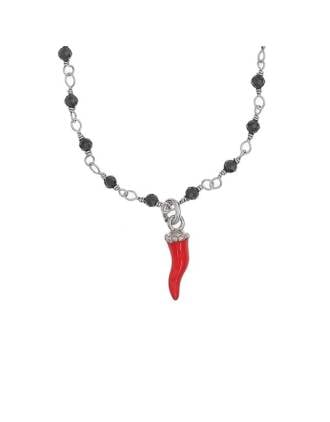
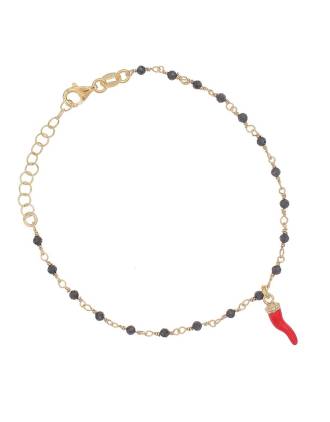
The cornicello, or Italian horn charm, is one of Italy’s most iconic protective symbols. Often crafted from gold or red coral, the cornicello is said to guard against the evil eye — an affliction that many believed could be cast by a strega. Wearing a cornicello remains a popular tradition among Italians who seek protection and good fortune.
The Power of Herbs and Potions
Historically, streghe were known for their deep knowledge of herbs and natural magic. Herbs like rosemary, sage, and lavender were believed to hold protective powers and were used in various rituals to dispel negative energy or cure ailments. In some regions, the practice of collecting herbs during the Night of San Giovanni, a midsummer festival, is still observed. It is believed that herbs gathered on this night hold special potency and can be used in spells and potions.
Modern Day Streghe: The Legacy of the Italian Witch
Today, the strega’s legacy lives on, not only in stories and festivals but also in the way people embrace the magic of Italian culture. The idea of the strega has evolved from a figure of fear to one of fascination, with witches now symbolizing empowerment, feminine strength, and a connection to nature.
At The Italian Jewelry Company, we celebrate the enduring enchantment of Italian folklore with jewelry inspired by the traditions of the strega. Our collections feature pieces that draw on the ancient symbols of protection, such as the Italian horn, the malocchio, and amulets designed to keep negativity at bay. By wearing these charms, you not only add a touch of elegance to your style but also connect to a long-standing tradition of Italian magic and mystery.
Discover the Magic of Strega-Inspired Jewelry
Our strega-inspired jewelry collection offers pieces that capture the essence of Italian folklore, with designs that celebrate the charm and mystique of the strega. Whether you are drawn to the protective qualities of a cornicello charm necklace or the allure of a malocchio bracelet, each item is crafted with a nod to Italy’s magical past.
Explore our collection and find the perfect piece to add a touch of Italian enchantment to your life. Whether you seek protection, luck, or simply a connection to your heritage, our jewelry offers more than just a stylish accessory — it’s a piece of history, a symbol of protection, and a celebration of Italy’s magical folklore.
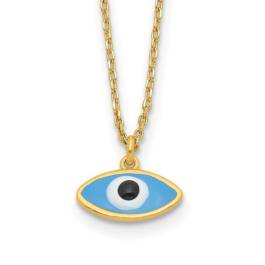
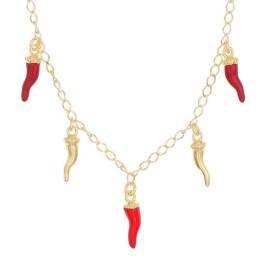
Wear the strega’s protection. These handcrafted, in-stock pieces draw on the same ancient symbols that Italians have used for centuries to guard against the evil eye:
Guard against the evil eye. Shop handcrafted malocchio, cornicello & protection jewelry, made in Italy.
Shop Malocchio ProtectionKeep exploring Italian folklore & protection:
- Shop the Malocchio Evil Eye Collection
- Cornicello Italian Horn jewelry
- Cimaruta Strega collection
- Warding off the Malocchio: Italian ways to protect yourself
Frequently Asked Questions
What does ‘strega’ mean in Italian?
‘Strega’ means ‘witch’ in Italian. In folklore it referred to women with deep knowledge of nature, herbs, and spiritual practices — often healers or midwives. In modern slang it can also describe a cunning or captivating woman.
What is the difference between benandanti and malandanti?
The benandanti, or ‘good witches,’ were believed to protect the community, heal the sick, and bless crops. The malandanti, or ‘bad witches,’ were thought to bring misfortune through curses and evil spells.
Who is Strega Nona?
Strega Nona is one of Italy’s most famous fictional witches — a wise old woman from a beloved children’s book series whose magic is both helpful and mischievous, embodying the duality of the traditional Italian witch.
How did Italians protect against a strega’s evil eye?
Italians wore protective charms such as the cornicello (Italian horn), the malocchio, and the mano cornuto, and used herbal remedies and rituals with herbs like rosemary, sage, and lavender to ward off misfortune and bring good luck.
Is strega-inspired jewelry still worn today?
Yes. The strega has evolved from a figure of fear into a symbol of empowerment and connection to nature, and protective pieces — the cornicello, malocchio, and mano cornuto — are still worn today for protection, luck, and heritage.
Shop Italian Jewelry at The Italian Jewelry Company
Discover our complete collection of authentic Italian jewelry — handcrafted in Italy by master artisans. From ancient protective symbols to timeless Italian elegance, every piece tells a story of heritage, culture, and craftsmanship.
Malocchio Evil Eye Sicilian Jewelry Mano Cornuto Cornicello Italian Horn Tredici Fortunati Cameo Jewelry Italian Coral Jewelry Rosary Beads
Free shipping on orders over $250 | Free gift wrapping | Easy returns within 15 days