

In Italian folklore, the malocchio (evil eye) is said to be cast simply with an envious or admiring look. Tradition holds that jealousy — a hard stare, too much praise, or boasting — can ‘attract the eye.’ This guide explains the folklore around how the evil eye is given, the etiquette Italians observe, and how to protect yourself with charms like the mano cornuto, cornicello, and hamsa.
This article shares Italian folklore for cultural interest. The malocchio is a superstition, not real magic, and this guide is not an endorsement of trying to harm or frighten anyone. It is meant to explain a tradition and how Italians protect themselves from it.
Legend has it that you can give someone the malocchio, the evil eye, simply with a look. Italians say the curse is born from envy: a jealous stare, too much admiration, or bragging about your own good fortune can all trigger it. That’s why many Southern Italians are superstitious about boasting, preferring instead to stay humble so as not to “attract the eye.”
Shop Italian protection jewelry: Malocchio Jewelry · Mano Cornuto · Cornicello & Italian Horn Jewelry · Evil Eye Jewelry
Protect Yourself From the Malocchio
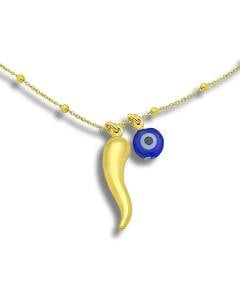
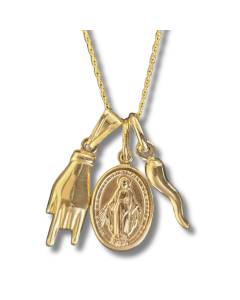
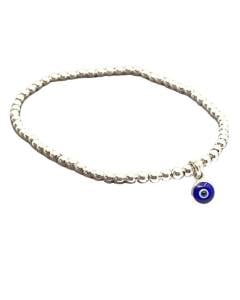
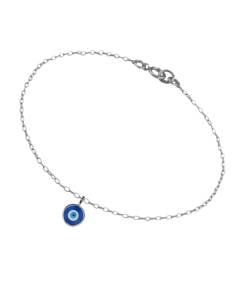
Italians have warded off the evil eye with the horn, the mano cornuto and the blue eye for centuries. Shop malocchio jewelry
The Ancient Roots of the Evil Eye
The belief in the evil eye stretches back thousands of years. Ancient Romans warned against it, and throughout the Mediterranean—from Greece to the Middle East—similar traditions developed. In Southern Italy, whispers of malocchio are still heard in kitchens, piazzas, and at Sunday family dinners. It’s less about true dark magic and more about colorful folklore—but that doesn’t stop people from protecting themselves with charms and rituals.
How Is the Malocchio “Given”?
According to tradition, the simplest way the evil eye is passed is through a look—an envious or lingering glance, often paired with unspoken jealousy. In folklore, excessive compliments or admiration can also carry the malocchio, which is why in Italy a compliment is often followed by a small blessing to cancel out any accidental harm.
A Word of Caution and Respect
Giving someone the “evil eye” in jest is fine, but it shouldn’t be used to genuinely upset or scare others. Some elders take the curse seriously, so always be respectful when joking about it. The malocchio is best understood as a shared cultural tradition—a way of naming envy and negativity—rather than a tool to wish anyone harm.
How to Protect Yourself from the Malocchio
While the malocchio is steeped in folklore, many Southern Italians and Mediterranean cultures swear by protective symbols. Today they’ve become fashionable jewelry with a meaningful twist:
- Mano Cornuto Jewelry – The horned hand is one of Italy’s most famous protective signs. Wearing a mano cornuto pendant or bracelet is said to deflect jealousy and negativity.
- Hamsa Jewelry – The open palm, often with an eye at its center, is another ancient symbol of protection against curses.
- Cornicello Horns – The red Italian horn remains a classic good-luck charm, worn by generations to guard against bad energy.
The malocchio is one of Italy’s most enduring superstitions—a fascinating blend of history, faith, and folklore that continues to shape Italian and Italian-American life today.
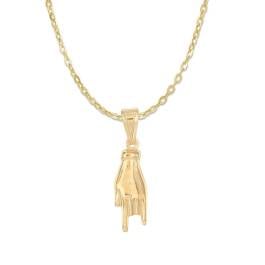
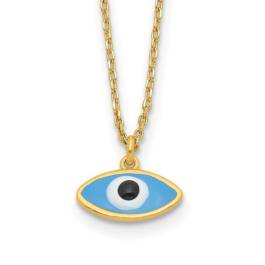
Guard against the evil eye in style. Handcrafted mano cornuto & cornicello charms, made in Italy.
Shop Mano Cornuto JewelryKeep exploring:
- Shop the Mano Cornuto Collection
- Shop the Malocchio (Evil Eye) Collection
- Malocchio symptoms and evil eye symptoms
Frequently Asked Questions
How do you give someone the malocchio?
In Italian folklore, the malocchio (evil eye) is said to be cast simply with an envious or admiring look. Jealousy — a hard stare, excessive praise, or boasting — is believed to trigger it. It is a superstition, not real magic.
Why do Italians avoid boasting?
Tradition holds that bragging about your own success or beauty can “attract the eye” and invite jealousy, which is thought to trigger the malocchio. Staying humble is seen as a way to avoid it.
Is it bad to give someone the evil eye as a joke?
Giving the “evil eye” in jest is generally harmless, but it shouldn’t be used to genuinely upset or frighten anyone. Some elders take the belief seriously, so it’s best to be respectful.
How do you protect against the malocchio?
Italians traditionally wear protective charms such as the mano cornuto (horned hand), the cornicello (red Italian horn), and the hamsa (open palm with an eye), all believed to deflect jealousy and negative energy.
What is the difference between the malocchio and the mano cornuto?
The malocchio is the evil eye itself — the curse. The mano cornuto is a protective hand gesture (and charm) used to ward that curse away. One is the threat; the other is the shield.
FROM THE ITALIAN JEWELRY COMPANY
Shop Malocchio & Evil Eye Protection Jewelry
Ward off the evil eye with authentic Italian protection jewelry. From the iconic red Cornicello to Malocchio charms and Mano Cornuto symbols — worn by Italians for centuries to guard against envy, ill will, and bad luck.
Evil Eye Collection Cornicello Jewelry
Italian Horn Charms Mano Cornuto
Hand Horn Jewelry Cimaruta Strega
Italian Witch Jewelry


